
Wheat straw cups for camping and outdoor tables

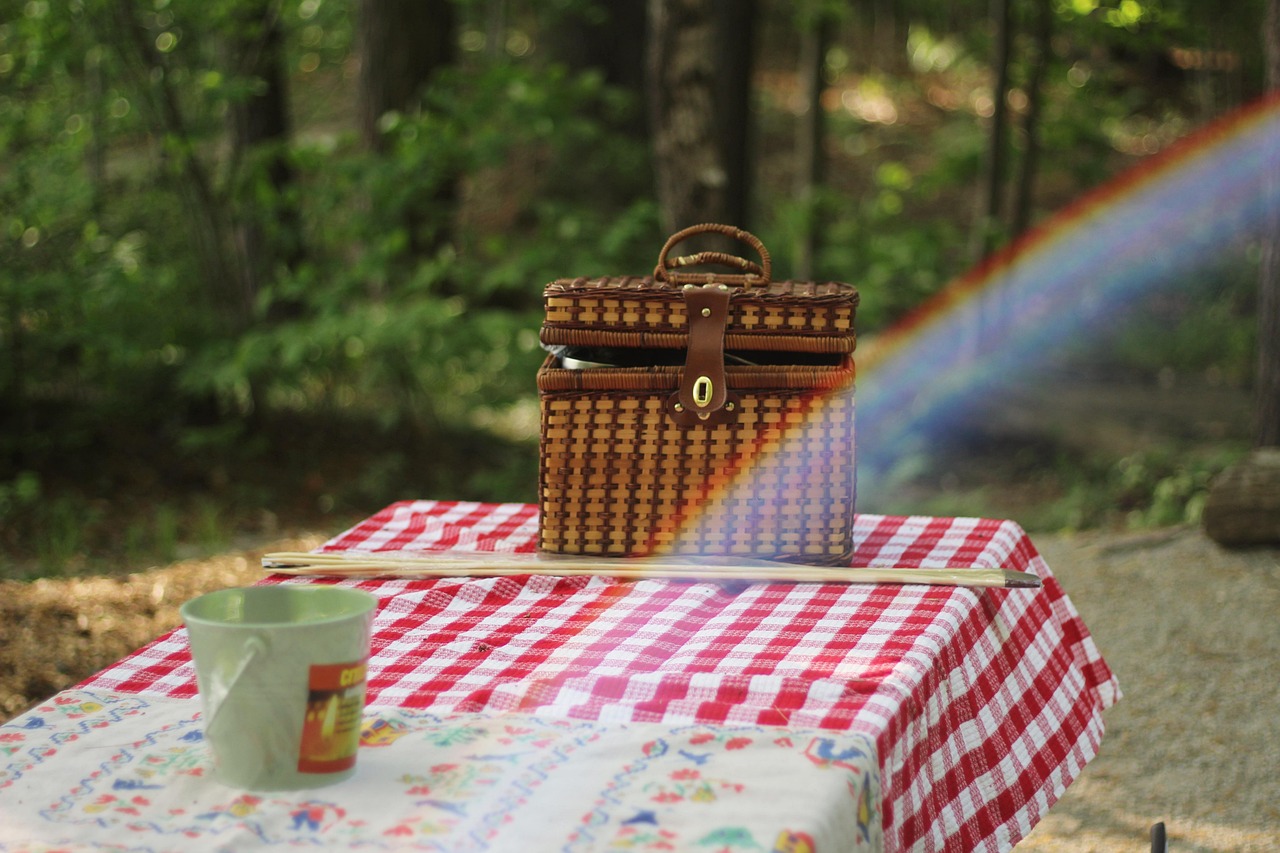
Wheat straw cups for camping and outdoor tables
Wheat straw tumblers turn up on every camping and picnic list, usually described as a plastic alternative. That description is half right, and the half that is wrong is worth understanding before you buy a set of twelve.
What the material is
Wheat straw material is made from the stalk left after a wheat harvest — the part that is not food — ground to a fibre and bound with a polymer, usually polypropylene.
So it is a composite: agricultural waste fibre plus plastic. It is not plastic-free, and any listing claiming it is has got it wrong. What it is, is a material that displaces some virgin plastic with a by-product that would otherwise be burned or ploughed in.
It contains no gluten in any meaningful sense — it is stalk, not grain, and the processing removes protein — but anybody with a serious wheat allergy should make their own decision rather than take a shop’s word for it.
Why it is genuinely unbreakable
Polypropylene is tough and flexible rather than brittle. A wheat straw cup dropped on a patio bounces. Dropped on a rock at a campsite it bounces. This is not marketing; it is what the polymer does.
It is the property that makes these the right cup for outdoors, around a pool, on a boat, or in a house with small children. Glass and ceramic have exactly one failure mode and it involves picking pieces out of grass.
What it will not survive is being stood on. It deforms rather than shatters, which is safer and equally final.
Dishwasher and microwave
Most wheat straw cups are rated for both, which is the practical advantage over bamboo composite. Polypropylene tolerates dishwasher temperatures and microwave use within the manufacturer’s stated limits.
Two cautions. Top rack is still better than bottom — sustained direct heat can warp thin-walled items. And “microwave safe” means the cup can be heated, not that it stays cool; a hot drink in a thin-walled cup is hot to hold.
Where the maker states a rating, our listing repeats it.
Sizes and stacking
Twelve and twenty ounce are the common sizes and the sets on this shelf usually mix them. Twelve is a water glass; twenty is a long drink or an iced coffee.
The genuinely useful property for camping is that they stack. A set of twelve occupies about the space of two glass tumblers, which matters when everything has to go in one box.
Multi-colour sets are not only decorative: on a table of a dozen people, a colour is how everyone keeps track of their own cup. This is the reason six-colour sets sell better than six matching ones.
The honest limits
They scratch. Cutlery and abrasive sponges leave marks, and the marks accumulate. After a season of heavy use a set looks used.
They hold odour and colour. Coffee and strongly coloured drinks stain over time. Washing promptly reduces it; nothing removes it entirely.
They feel like plastic. Because partly they are. For a dinner table indoors, glass is a better object.
They are not compostable. The plastic binder means they go in general waste at end of life, and possibly in a plastics recycling stream depending on your facility.
Where they beat the alternatives
Against disposables, comfortably — a set used for a season of picnics replaces hundreds of single-use cups and costs less than a few packs.
Against glass, for anywhere with a hard floor, water, or children.
Against stainless steel, for cost and for the fact that you can see how much is left.
Where they lose is a formal table indoors, and hot drinks where you want the cup to insulate.
Looking after them
Wash promptly, use a soft sponge rather than a scourer, dry rather than drain, and store stacked. If a set has developed a smell, warm water with bicarbonate of soda for half an hour deals with most of it.
Retire a cup when the rim is chipped or the wall is cracked from a deep scratch — a crack in a drinking vessel is where bacteria live.
What to buy for what
A twelve-piece mixed-size set covers a family camping kit or a picnic table. Six of one size suits a kitchen for everyday water. If it is for a pool or a boat, buy one more than you think you need, because one will go over the side.
On the shelf
Wheat straw sets and other shatter-resistant tumblers are on the reusable tumblers page, with piece counts and ounces in every title. If you would rather have a natural material for a kitchen table, the bamboo and wooden cups page is the alternative, and for a one-off event the disposable paper cups and compostable pages cover single use.