
How many paper cups does a small café need?

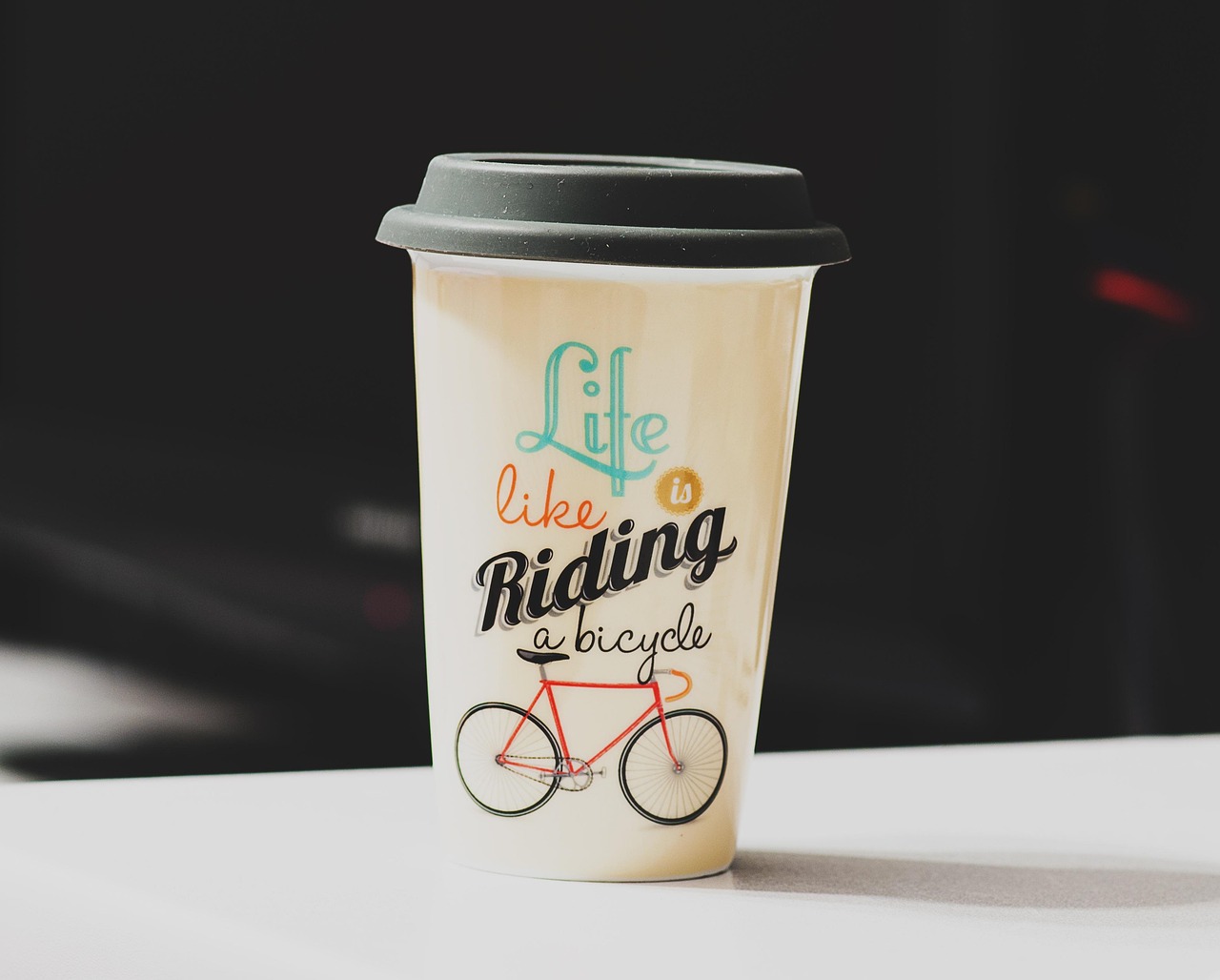
How many paper cups does a small café need?
Buying cups is one of those decisions that seems trivial and then determines a corner of a stockroom for the next six months. Two questions decide it: how many, and in what split of sizes.
Working out the number
Count takeaway drinks, not customers. A site doing forty takeaway drinks a day gets through around twelve hundred cups a month, so a thousand-count case is roughly three and a half weeks.
Then add a margin. Cups get crushed in the box, dropped, used for something else, and handed out at the odd event. Ten per cent covers it.
The arithmetic that matters is not cost per cup but how long a case lasts against how much space it takes. A thousand-count case bought quarterly is cheaper per cup and needs somewhere to live; a two-hundred-count bought monthly costs more and fits under the counter.
The eight and twelve ounce split
Most small sites need two sizes, and the split is rarely fifty-fifty.
Eight ounce suits espresso-based drinks — a flat white, a cortado, a small filter. Twelve ounce is the default for most takeaway coffee and for tea.
A typical split runs somewhere around one third eight ounce to two thirds twelve. Watch the actual orders for a fortnight before committing to a large case of either; the split varies enormously by site and by the drinks you actually sell.
A third size — sixteen ounce — is worth adding only if iced drinks or large filters are a real part of the trade. Each additional size is another case to store and another lid to stock.
Lids
The mistake that produces a genuinely bad week: buying cups and lids separately without checking the rim diameter.
Cup sizes are quoted in ounces, but lids fit by rim diameter in millimetres. Eight and twelve ounce cups from the same maker very often share a rim, so one lid fits both — which is the single best reason to buy cups from one maker rather than whichever is cheapest each time.
Where a listing states the rim diameter, that is the number to match. Where it does not, buy cups and lids together.
Storage
A thousand-count case of twelve ounce cups is roughly the size of a large moving box. Two cases plus lids is a shelf.
Three storage rules that matter more than they sound:
- Dry. Paper cups absorb humidity and go soft at the rim, which means the lid stops seating properly. A damp stockroom ruins cups without visibly damaging them.
- Sealed. Keep the sleeve on until the sleeve is opened. An open stack collects dust, and a cup is a food-contact item.
- Off the floor. Same reason as everything else stored on concrete.
Single wall, double wall and ripple
Single wall is the standard cup and needs a sleeve for anything hot.
Double wall has an air gap and is comfortable to hold without a sleeve — better for the customer, more expensive, and it takes more storage space because the cups nest less tightly.
Ripple wall is a corrugated outer layer doing the same job as double wall, usually a little cheaper.
The arithmetic: a single-wall cup plus a sleeve often costs about the same as a double-wall cup and involves stocking two items instead of one. Where you can get the cup only, take it.
Printed or plain
Custom printed cups have a minimum order that is well beyond what a small site needs, and that minimum is why so many independent cafés use plain kraft with a stamp or a sticker. It costs a fraction, it can change whenever you like, and the plain cup can be bought at the plain cup price.
Plain kraft is also the most forgiving background for a sleeve or a sticker.
Cold cups and bowls
Cold drinks need a different cup — hot cups are lined for heat and not for condensation, and a cold drink in a hot cup sweats and softens the base.
Paper bowls are worth mentioning alongside because they solve the same problem for food, and compostable versions exist for both.
Compostable, if you are going to
Worth doing only if the waste actually reaches a facility that composts. A compostable cup in a general waste bin is a more expensive cup going to the same landfill.
Before switching, ring your waste contractor and ask what they accept. That five-minute call decides whether the extra cost buys anything at all.
Where to order
Hot cups by case count, in kraft and white, are on the disposable paper cups page. Certified compostable and PHA-lined cups and bowls are under compostable and plant-based cups. Every listing states ounces and case count in the title.
If the counter also sells reusables, they are on the reusable tumblers and bamboo and wooden cups pages.